When AI Picks Your Favorite Things, Is It For You or Them?
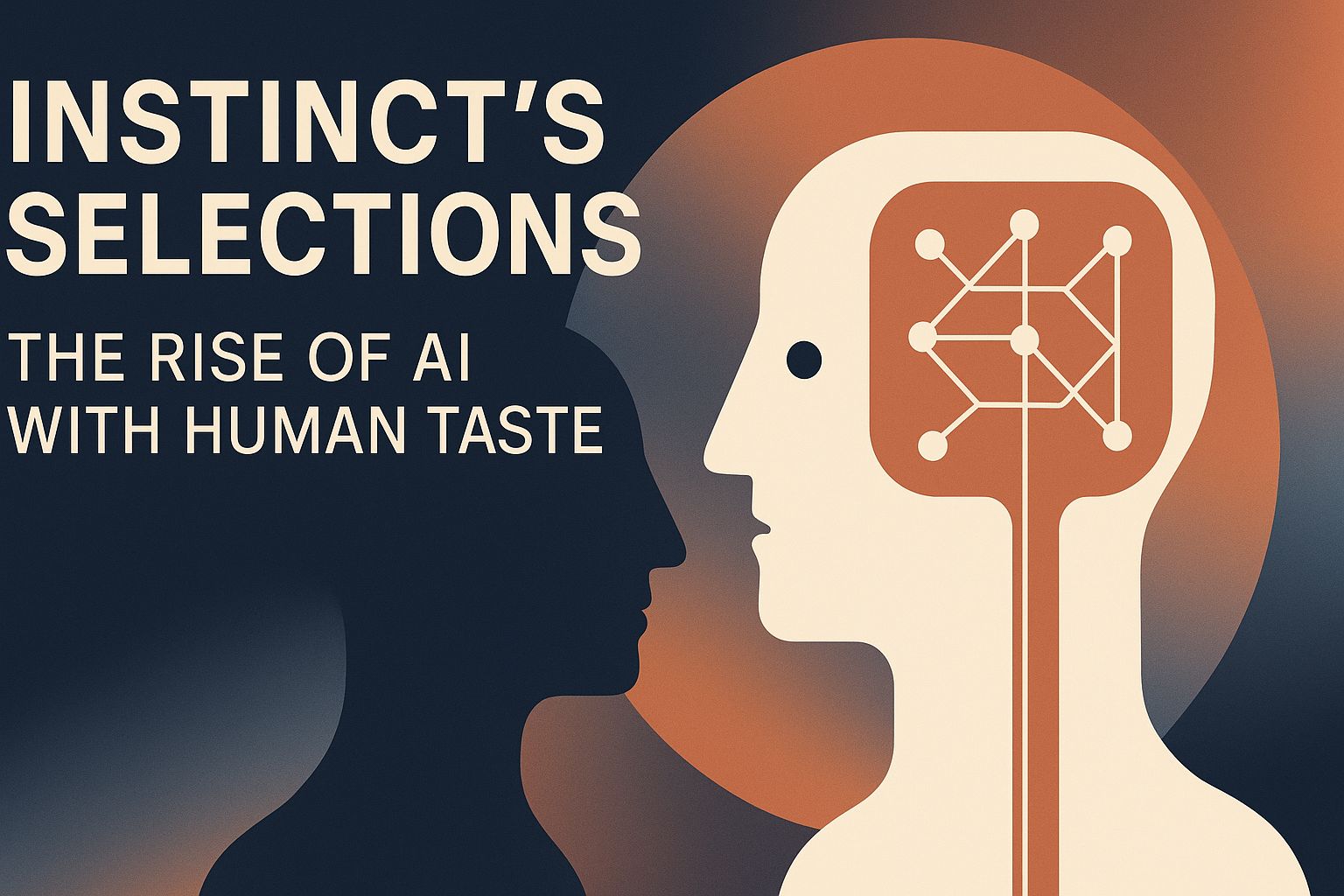
Sipping on a refreshing matcha latte at The Kettle in Venice, I couldn't help but reflect on how taste, whether in coffee or commerce, is such a deeply personal experience. Yet, this week, Instinct has thrown a new contender into the ring, challenging the very notion of personal choice with its AI-powered recommendation engine: Instinct Selections.
Just yesterday, Instinct announced its $1 billion Series C funding alongside an ambitious new feature that aims to anticipate what consumers will love across shopping, dining, and travel. With a valuation now hitting $10 billion and buzz surrounding its potential to reshape how we discover products, questions swirl around what this means for commerce AI and the fabric of agentic commerce.[1][3]
Did OpenAI Just Set a Funding Bar No One Can Reach?
Before diving into Instinct's offering, it's worth noting the seismic shifts in the funding landscape. OpenAI's latest move to raise $30 billion, with a valuation hitting $1.4 trillion, signals a concentration of resources around major players who are not just building models, but entire consumer and commerce ecosystems.[2] It's a development that echoes throughout the AI community, raising the question of who will control the digital trade frontiers.
The chatter over my matcha seemed perfectly paralleled with these market rumblings. As we pour more capital into these ecosystems, the balance of power tilts further towards AI giants, leaving smaller innovators to navigate a path defined by behemoths like OpenAI and emerging players like Instinct. The latter's focus on agentic commerce—to shift from merely aiding searches to steering purchases—boldly tests the waters in a space even the likes of OpenAI haven't fully swum in yet.
Instinct Selections: The Advisory Role AI Didn't Ask For
Instinct Selections is a bold step beyond the bare utility of a digital assistant. By integrating curated expertise from local chefs, designers, and travel guides, Instinct is betting on personalization that echoes human touch while leveraging automated precision—an agentic commerce architect’s dream.[1]
Consider it this way: If you're wandering Abbot Kinney and craving something unique that balances both neighborhood charm and eclectic delight, Instinct aims to offer that recommendation without you lifting a finger. Simultaneously convening local taste and global algorithms, the AI offers convenience, potentially to its detriment, if trust and transparency aren't handled delicately.
Shinn's commentary on providing local flair through partnerships adds a nuanced layer, but this intricate dance borders precariously on the edge of disguised advertisement. User backlash around unexpected recommendations highlights the importance of consent in digital companionship: Is it a suggestion, or is it selling to you?[1]
Can Human Taste Truly Blend with Algorithmic Precision?
The pivot towards curated recommendations isn't purely accidental. Instinct's success in various sectors highlights the delicate interplay between algorithms and human insight.
In travel, as in dining, the parameters are tightly woven with personal preference. Instinct bets on bringing these nuances into broader contexts, but challenges loom large. From timing mishaps on booking a trip to taste mismatches on that five-star recommendation, user trust hinges decisively on the authenticity of these synthesized choices. Users start questioning: is the flavor of AI served on a plate they even ordered?
Commerce AI’s Los Angeles Ties: Pioneering The Future
For those watching from the bustling lanes of Los Angeles, this development from Instinct marks an intriguing pivot for commerce AI. The city's unique blend of tech innovation and cultural richness provides a perfect backdrop for testing such transformative tools, bridging Silicon Beach’s digital innovation with vibrant consumer interactions across Venice streets.
I see this dynamic best when I think of familiar haunts—like the never-empty Gjelina and its wood-fired pizzas. Imagine a future where your preferences—from thin crust to extra basil—are not only known but anticipated, leaving you a suggestion which might have already elicited a nod from an in-the-know cabbie.
In positioning AI as your personal concierge, right in the heart of Los Angeles, Instinct attempts more than technological integration. It's embedding itself into the social fabric, much in the way tech increasingly permeates our mirrors and maestros of retail experience.
What This Means for Your Brand
As Instinct tests these ambitious waters, brands are positioned at a crossroads. They need to decide: do they embrace the agentic commerce architect’s capabilities or resist its pull towards homogenization?
Strategize for Agent Visibility: Making your product desirable to an agent means ensuring data is clear, reliable, and contextually rich. Structured data for AI search is not a recommendation—it's a demand. This AI-driven orchestration demands seamless integration across platforms, keeping up with the client's preferences as comfortably as a favorite playlist.
Engagement Beyond the Transaction: The pivot may require enhancing value pre- and post-purchase. Customer connection isn’t satisfied at point of sale alone. Instinct shows that embedding curated personal experiences can be more poignant than generic touchpoints, especially when discerning those which AI personas will prioritize.
Augment Not Replace Human Interactions: Despite the efficiency AI offers, there's a real place for adding depth through expert human insights. The AI experience lab of tomorrow needs guides, chefs, and designers as much as it needs neural networks. This multifaceted approach allows consumers to indulge authentically and retain brand affinity.
Is Trust the True Cost of Agent-Assisted Shopping?
One can't overlook the potential pitfalls of this accelerating trend. The idea of 'agency' in commerce presupposes an adaptability that respects consumer autonomy. Instances of uninvited shopping suggestions may test the patience of even the most well-intentioned shopper, leaving brand loyalty caught in the crossfire.[1]
The grandeur of Instinct’s move emblazoned across consumer activity worldwide marks an inflection point, but ultimately, it's seasoned with the same fundamental ingredients: trust, transparency, and timing. When AI marries routine with recommendation, perhaps we'll stroll Abbot Kinney not just on memory, but on knowing that somewhere on digital sands, an AI agent waited impatiently to suggest that next bite of artisanal brilliance.