Exploring the multi-layered intrigue of AI protocols shaping commerce today.
Howlin' Ray's and the Spicy Manifesto of AI Protocols
Ever stood in line at Howlin’ Ray’s in DTLA? The scent is irresistible, a tangible buzz grows around you. That’s exactly what’s happening in the world of commerce AI protocols—an entirely new menu of Agentforce, APX, Ziggy, and Buzz has emerged to transform the way transactions flow, as adventurous as the spiciest chicken sandwich in town.
When Protocols Become Personalities
In the bustling world of commerce platforms, a thrilling convergence of agent tooling is at hand. Among the standout players are Salesforce's Agentforce Commerce and Akeneo's Ziggy. Each one functions not unlike those fiery tactical moves when ordering a top-tier spice level at Howlin' Ray's—they represent new ways to coordinate and transact within digital ecosystems.
Salesforce and Agentforce Commerce
Agentforce Commerce by Salesforce promises a game-changer for commerce agents orchestrating customer-facing and backend roles. With the Shopper, Buyer, and Merchant Agents on deck, it’s not just about sales—it's about synergy in transactions. Planned native integrations with ChatGPT and Google/Gemini hint at future cross-channel capabilities to create engaging, transactional experiences [1][2].
Implications: Through agent-based interactions, Agentforce redefines commerce operations, laying out a structured flow for product discovery, purchase, and post-purchase processes. Traditional roles of CRM systems now morph to connect more dynamically with agents.
Financial Fluency with Abrigo’s APX
Abrigo APX tackles document-heavy workflows, much like navigating the wildly popular line at Howlin' Ray's, financial institutions might adopt APX for streamlined, agent-led navigation of processes previously prone to human error [4].
Actionable insight: APX advocates for sector-specific agent designs, championing financial entities to embrace programmable logic for internal processes.
Akeneo Ziggy and the Agent Mesh
Then there’s Akeneo’s Ziggy, offering orchestrated data handling via agents for schema mapping and enrichment. It reflects Akeneo's ambition to challenge how product data complexity is managed. Manageable like Howlin’ Ray's coveted sandwich orders, Ziggy is poised to reinforce data integrity and streamline quality checks at scale [5].
Protocol Complexity: The Double-edged Sword
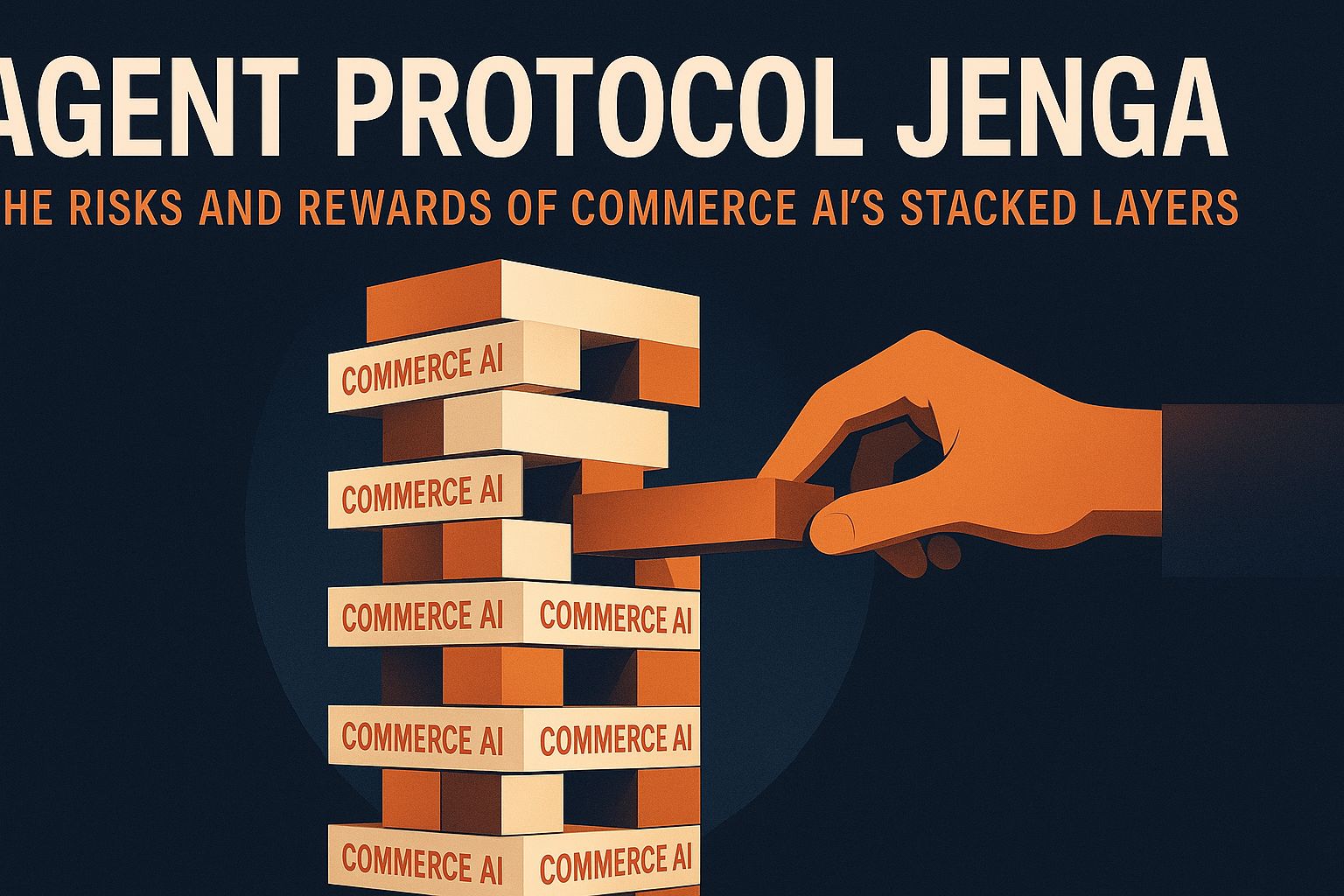
Each of these platforms showcases the potential of sophisticated agent orchestration, but it also surfaces a crucial debate. Like choosing the intensity of Howlin’ Ray's spiciest offering, layers of harmonized protocols could lead to complexity that might spiral into manageability concerns. Consider the following challenges and resolutions:
- Complex Orchestration: Multi-agent workflows introduce potential for error propagation across different agents, manifesting in complex debugging issues.
-
Resolution: Implement robust monitoring frameworks to trap errors at the orchestration level before they reach a critical mass.
-
Fragmentation and Standardization: With so many players in the field pushing their proprietary standards, a fragmented protocol landscape could emerge.
- Resolution: Engage in cross-industry dialogues to harmonize ACP/UCP methods that accommodate interoperability across platforms like Ziggy and Agentforce [6].
Can a Unified Protocol Survive?
UCP is presented as an open-source standard designed for cross-platform interoperability. Agentforce's planned integration with ChatGPT and Gemini offerings suggests a unified bridge across compute and conversational platforms. At its core, UCP aims to establish:
- Streamlined Interoperability: Agents like those in Ziggy can seamlessly interact across various e-commerce platforms, enhancing data sharing and decision engines.
- Adaptive Flexibility: Much in the way Howlin’ Ray's chicken caters to diverse palates, commerce protocols must remain dynamically adaptable to new tech landscapes without compromising efficacy.
Architecting Protocols with Tools and Traditions
Within these multi-agent frameworks, traditional tools like graph-based controllers and event meshes emphasize not only the power but also the necessity of foundational structuring.
These embeddings typify the dual-nature of agent systems: the flexibility to pivot swiftly—like a rush to prevent inventory stockouts using Ziggy's predictive analytics—and the foundation required to ensure robust, fail-safe workflows.
Actionable Steps for Brands
Navigating the complexity of these innovations calls for definitive steps:
1. Embrace an Agent-first Culture
Just as throngs flock to Howlin’ Ray's, retail brands must migrate towards agent-native environments. This shift mandates a move from app-centric commerce to agent-centric processes.
- Break from tradition and encourage developers to leverage these platforms' APIs, fostering an internal culture attuned to automation and economic gains.
2. Invest in Cross-platform Interoperability
With impending UCP-style integrations, brands should prioritize systems that allow agents like those in Agentforce and Buzz to seamlessly communicate.
- Considerations: Evaluate partnerships for cross-talk capabilities across AI protocols within diverse environments, emphasizing security and data transparency.
3. Foster Data Accuracy and Integrity
Echoing the attention to ingredient detail for Howlin’ Ray's spice levels, commerce AIs mandate precise, high-quality data.
- Deploy data enrichment and correctional agents akin to Ziggy’s arsenal to fortify data pipelines and reduce cyclical errors.
What This Means for Your Brand
For commerce entities, engaging with these agentic layers is not optional but imperative for agility. Like the nuanced assembly of a spice-laden late-night order at Howlin's, your stack needs to navigate complexity with precision and speed.
-
Short-term Impact: Close gaps in your workflow by integrating agile multi-agent systems now, rather than deferring adaptation to later stages.
-
Long-term Strategy: Plan for continuous adaptation in technology uptake. Equip product and engineering teams to align more closely with agent-led initiatives that could redefine future customer interactions.
Keeping Pace with Agent Protocols
The dawn of these agentic platforms underscores an enduring fact: while no perfect blend exists, a well-curated stack attuned with agent utilities promises remarkable outcomes. As Howlin's sensory play leaves you craving more, agent protocols too promise a nuanced, fidelity-rich commerce experience.